

Target Boycott Warning: The Cost of Losing Minority Support


Black Americans contribute $23 million daily to Target's revenue, and the ongoing boycott puts this substantial amount at risk. The retail giant faced nine straight weeks of reduced foot traffic while its stock prices dropped as investors worried about consumer boycotts. But this economic protest creates a tough situation for both Black entrepreneurs and shoppers.
The boycott seems to work, with store visits down 3.8% in July. Yet we need to think about what it all means. Target made a commitment to invest over $2 billion in Black-owned businesses by 2025 and showcase more than 500 Black-owned brands in their stores. So many Black business owners now worry and say, "If you don't buy our products in Target, they will cancel us from their shelves". This becomes even more crucial since Black shoppers make up 8.9% of Target's customer base, compared to white consumers at 66.7% and Hispanic consumers at 14.5%.
This piece dives into the boycott's origins, measures its real effect, looks at the collateral damage for Black-owned brands, and explores which strategic collaborations might better help the community's economic interests beyond just symbolic actions.
Why the Target Boycott Started

Target's retreat from diversity commitments created an immediate backlash in early 2025. The company's move away from its DEI programs became the centerpiece of consumer activism that still gains momentum today.
Target's rollback of DEI initiatives
Target announced a major rollback of its diversity initiatives in January 2025, just days after Trump took office. The company ended its three-year DEI goals and stopped participating in external diversity surveys like the Human Rights Campaign's Corporate Equality Index. They also terminated programs that carried products from Black-owned businesses. This decision marked a complete reversal for Target, which had earlier promised to invest $2 billion in Black-owned businesses by 2025 after George Floyd's murder in Target's hometown of Minneapolis.
The announcement's timing stood out as President Trump had just signed executive orders to eliminate government DEI programs. He labeled them as "illegal and immoral discrimination programs".
The role of Pastor Jamal Bryant and civil rights leaders
Pastor Jamal Harrison Bryant of New Birth Missionary Baptist Church in Atlanta spoke from his pulpit on February 2 to condemn Target's actions. The company continued with its DEI rollback, which led Bryant to escalate his response on Ash Wednesday. He called for a "#TargetFast" that evolved into a "full-out boycott".
Bryant stated at an April town hall meeting, "We are involved in this battle because you don't get to walk away from your public commitments to Black people and think there will not be consequences". His initiative received substantial support with 200,000 petition signatures and endorsements from leaders like Rev. Al Sharpton.
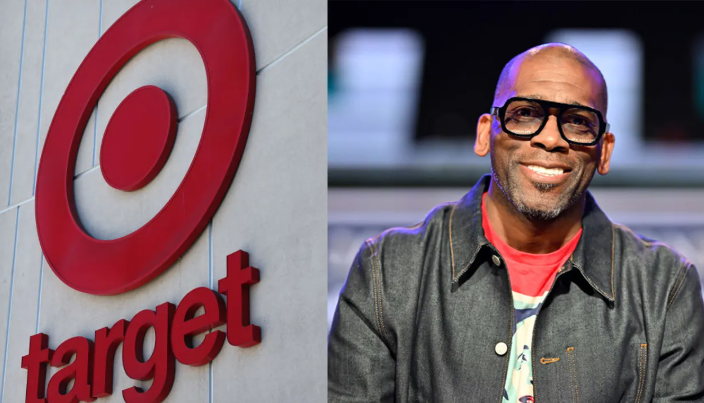
Why people are boycotting Target now
Bryant's boycott movement centers on four key demands: a $250 million investment in Black banks, adoption of six HBCUs with business programs, honoring the $2 billion commitment to Black entrepreneurs, and reimagining DEI initiatives.
Target's first quarter earnings report showed a half-billion-dollar loss in year-over-year sales and decreased foot traffic. Bryant claimed this as "a victory" but emphasized their fight continues. He described it as "the most successful, effective and long-standing boycott of Black people in 70 years, since the Montgomery Bus Boycott".
The issue surpasses Target's specific policies for many participants. Civil rights leaders say the boycott represents a broader stand against corporate America's retreat from diversity commitments that followed Floyd's murder.
The Power and Risk of Economic Protest
Economic protests play a vital role in American civil rights history. The Target boycott adds a new chapter to this tradition that uses financial pressure to drive social change.
Historical context of boycotts in civil rights movements
The Montgomery Bus Boycott of 1955-1956 remains the most influential economic protest in American history. Black residents avoided city busses for 381 days, which cost the transportation system about $3,000 daily in lost fares. The Supreme Court ruled bus segregation unconstitutional in Browder v. Gayle, which ended the boycott. Dr. Martin Luther King Jr. became a prominent leader during this protest and established nonviolent economic resistance as a key civil rights strategy. The boycotts in Birmingham and Nashville proved "devastatingly effective" at pushing business owners to support integration. Time magazine highlighted their power by 1963.
How the Target boycott compares to past efforts
Pastor Jamal Bryant drew a direct line between today's Target boycott and this historical legacy. He called it "the most boycott by Black people in 70 years since the Montgomery Bus Boycott". The financial effects look substantial. Target has lost $12.4 billion in market value, and its stock prices dropped from $145 to $93 per share. Customer foot traffic fell 6.8% year-over-year during the first week of the boycott. Unlike historical boycotts that targeted local businesses, this action uses social media to coordinate nationwide participation.
Target boycott impact on public perception
The effects reach beyond immediate financial numbers. Target's annual report acknowledges that boycotts could hurt its "reputation, results of operations, and financial condition". Asset managers like Schroders have criticized Target's DEI rollback publicly. Target "can't post a promotional video without attracting comments about its DEI flip-flop" on social media. Research shows reputation damage might matter more than short-term sales impacts. Northwestern University professor Brayden King points out: "The no. 1 predictor of what makes a boycott effective is how much media attention it creates".
Unintended Consequences for Black-Owned Brands
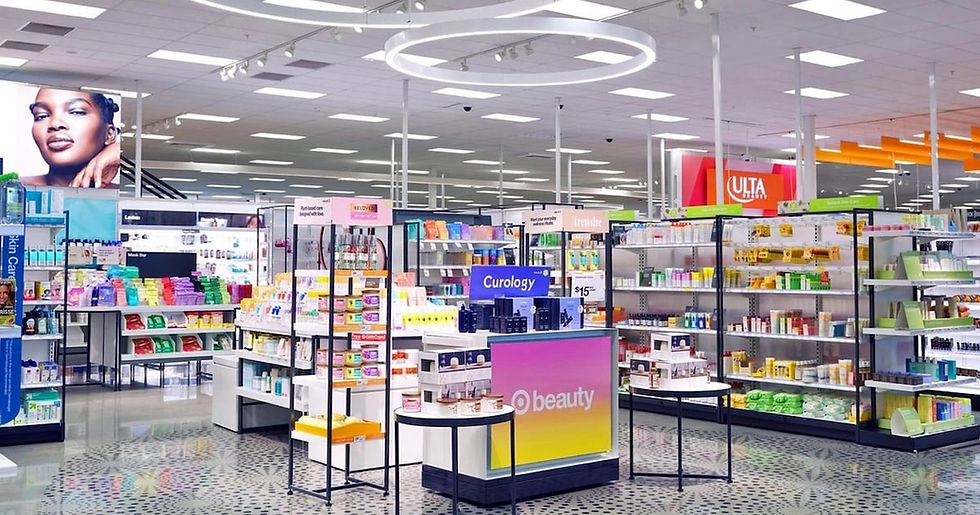
Black-owned brands have become collateral damage in the Target boycott, revealing a painful twist of irony.
What brands did Target drop?
Target removed several Black-owned vendors from its shelves, including LikeU Cards, a conversation-starting card game that connects parents and kids. The store also pulled Black Girl Sunscreen, The Lip Bar, McBride Sisters Wine Company, A Dozen Cousins, and Partake Foods. These removals happened around the same time as Target's DEI rollback announcements, though the company hasn't officially confirmed any changes to its supplier policy.
How the boycott affected shelf space and sales
The boycott hit Target hard with an 11% drop in foot traffic and 9% decline in web traffic. Black-owned brands saw their sales plummet. Retailers base their shelf space decisions on performance metrics, so products that don't sell well get eliminated whatever the reason. One entrepreneur put it simply: "When sales dip, companies review shelf space. If Black-owned brands underperform, they can be quietly pulled from stores".
Voices from entrepreneurs caught in the middle
Afro Unicorn's founder April Showers described her frustration: "The betrayal is...these products were made for them in mind...and then the ones that you make them with them in mind say that they're not going to support it". Tabitha Brown, who sells kitchenwares at Target, made a plea to consumers: "If we all decide to boycott...so many of us will be affected and our sales will drop—our businesses will be hurt".
Target boycott effects on brand visibility
Black entrepreneurs face a tough situation because of the boycott. These businesses need Target's national distribution network to keep their advertising, warehousing, and shipping costs down. Beautiful Curly Me, a Black-owned doll brand, explained this reality: "We have dolls on our websites, but having your dolls in mass retail stores gives you a different kind of visibility to millions and really helps us expand".
What Comes Next: Strategy Over Symbolism
Black entrepreneurs and consumers must balance their protest actions with protecting their hard-earned economic progress at the time the target boycott continues.
Strategic spending vs. full boycott
Black business owners caught in the middle advocate a more thoughtful strategy. "Don't boycott so much that these Black businesses that are worked - blood, sweat and tears, that they will go bankrupt from these boycotts," warns Ione Rucker Jamison, who co-owns Rucker Roots. Her sister Ellen explains their challenge: "When you are a supplier, you are planning on having inventory for these retailers up to six to nine months prior".
Building independent Black-owned retail ecosystems
Modern "Black Wall Streets" provide a valuable historical model that deserves attention. These economic hubs succeed through four essential elements: capital access, business scalability, knowledge resources, and community reinvestment. Independent retail networks help communities control their economic destiny and create wealth beyond regular income.
Redirecting dollars to Black banks and businesses
Several major companies show how targeted investment creates lasting change. Netflix moved $100 million (2% of its cash holdings) to Black-focused financial institutions. This action inspired PayPal ($530 million) and Biogen ($10 million) to make similar moves. Black entrepreneurs still face significant hurdles, as banks deny their funding requests twice as often as white business owners.
Lessons from the Target boycott losses
Target's financial hit has been significant—losing $12.4 billion in market value. Customer traffic dropped steadily for eight weeks. These numbers reveal a crucial lesson: DEI represents both an ethical imperative and a significant business risk factor.
Conclusion
Black consumers' economic protest against Target shows the real power of collective action. Their movement has shown how consumer pressure can force a retail giant to reconsider its diversity commitments. Target has lost billions in market value, and its stores see fewer customers who participate less.
The boycott creates a complex situation. While it holds corporations responsible, it also puts Black-owned businesses at risk. Many entrepreneurs watch helplessly as their shelf space and sales opportunities vanish when boycott effects spread through the supply chain.
Black communities now face key questions about economic strength. This goes beyond a simple boycott and could reshape Black economic influence. New paths exist through independent retail systems, moving money to Black banks, and backing direct-to-consumer channels for Black-owned brands. These changes could last longer than this single corporate standoff.
The Target boycott reveals that economic activism needs both principle and practice. Headlines might capture symbolic protests, but real economic strength needs smart approaches. These approaches must protect Black entrepreneurs while pushing corporations to do better. The best path combines targeted spending with continued pressure for institutional change.
This boycott's true value might not show up in Target's financial reports. Its real impact lies in building economic structures that benefit Black communities well into the future.
FAQs
Q1. What triggered the Target boycott? The boycott was sparked by Target's rollback of its diversity, equity, and inclusion (DEI) initiatives in early 2025. This included terminating DEI goals, stopping participation in diversity surveys, and ending programs focused on carrying products from Black-owned businesses.
Q2. How has the boycott impacted Target financially? Target has reportedly lost $12.4 billion in market value, with stock prices dropping from $145 to $93 per share. The company has also experienced a significant decline in foot traffic, with an 11% drop reported during the boycott period.
Q3. Are Black-owned businesses affected by the Target boycott? Yes, many Black-owned brands have become unintended casualties of the boycott. As sales decline due to reduced foot traffic, these brands risk losing valuable shelf space and visibility in Target stores, which can significantly impact their growth and success.
Q4. How does this boycott compare to historical civil rights protests? While drawing inspiration from historical boycotts like the Montgomery Bus Boycott, the Target boycott is unique in its use of social media to coordinate nationwide participation. It has also garnered significant media attention, which some experts consider a key factor in a boycott's effectiveness.
Q5. What alternatives are being suggested to the full boycott? Some are advocating for strategic spending rather than a full boycott. This approach involves supporting Black-owned products within Target while continuing to demand accountability. Other suggestions include building independent Black-owned retail ecosystems and redirecting spending to Black banks and businesses.


Comments