

Fashion and Mental Health: Exploring the Psychological Impact of What We Wear


Understanding the Connection Between Fashion and Mental Health
The clothes we choose to wear each day do far more than simply cover our bodies or make a style statement. The connection between fashion and mental health is increasingly recognized by psychologists and fashion experts alike. What we wear can influence how we feel, how we perceive ourselves, and how we interact with the world around us. This relationship works in both directions – our mental state can dictate our clothing choices, while our clothing choices can significantly impact our psychological wellbeing.
Research into fashion and mental health reveals that our clothing choices can significantly impact our psychological wellbeing. This phenomenon, known as “enclothed cognition,” suggests that the symbolic meaning of our clothes and the physical experience of wearing them can influence our psychological processes in measurable ways.
As we explore this fascinating intersection, we’ll discover both the uplifting potential and the concerning pitfalls that exist in our relationship with fashion. From the joy of self-expression to the pressure of unrealistic standards, fashion’s influence on our mental health is profound and multifaceted.
The Psychological Benefits of Fashion and Self-Expression
One of the most powerful psychological benefits of fashion is its ability to serve as a form of self-expression. When we choose clothing that authentically reflects our identity, we communicate who we are without saying a word. This form of non-verbal expression can be particularly valuable for those who struggle to express themselves verbally or who feel misunderstood.
“Fashion gives you the ability to express yourself, your mood, and your personality without having to speak,” says Dr. Carolyn Mair, a psychologist specializing in fashion. “This form of expression can be incredibly liberating and empowering.”
Beyond self-expression, fashion can serve as a powerful tool for mood enhancement. Color psychology suggests that different colors can evoke different emotional responses – blue can have calming effects, while yellow might boost optimism. By strategically choosing colors based on how we want to feel, we can potentially influence our emotional state.
Studies exploring mental health and fashion show that what we wear affects how we think and feel about ourselves. When we wear clothes that make us feel confident and comfortable, we’re more likely to approach situations with a positive mindset and greater self-assurance.
Fashion Therapy: Using Clothing as a Tool for Wellbeing
Fashion therapy is gaining recognition as a legitimate approach to improving mood and self-perception. This therapeutic approach uses clothing and personal style as tools to enhance mental wellbeing. For individuals experiencing depression, the simple act of getting dressed can serve as a form of self-care and a way to regain a sense of control.
“The ritual of selecting an outfit, even during difficult times, can be grounding,” explains fashion psychologist Dawnn Karen. “It gives structure to your day and can serve as an anchor when other aspects of life feel chaotic.”
For some, the creative process of developing a personal style can also be therapeutic. Experimenting with different looks allows for creative expression and can provide a sense of accomplishment. This creative outlet can be particularly beneficial during stressful periods, offering a healthy distraction and a way to process emotions.
The bidirectional relationship between mental health and fashion influences both our clothing choices and our psychological state. When we’re feeling confident, we might choose bold, expressive pieces. Conversely, when we’re feeling vulnerable, we might opt for comfortable, familiar items that provide a sense of security.
How Does Fashion Affect Mental Health: The Science Behind It
Many people wonder how does fashion affect mental health in their daily lives and personal experiences. The science of “enclothed cognition” helps explain this connection. A groundbreaking study published in the Journal of Experimental Social Psychology found that participants performed better on attention-related tasks when wearing a lab coat described as a doctor’s coat compared to when wearing the same coat described as a painter’s coat. This suggests that the symbolic meaning we attach to clothing can influence our cognitive processes.
This phenomenon extends beyond lab coats. When we wear professional attire, we may think more abstractly and feel more powerful. When we wear athletic clothing, we might feel more energetic and motivated to be physically active. These psychological shifts occur partly because clothing can serve as a constant reminder of our identity and goals.
The physical sensations of clothing also play a role in how we feel. Uncomfortable clothing can increase stress levels and decrease confidence, while comfortable, well-fitting garments can have the opposite effect. This physical-psychological connection highlights the importance of choosing clothes that feel good, not just look good.
Building Fashion Confidence Through Mindful Choices
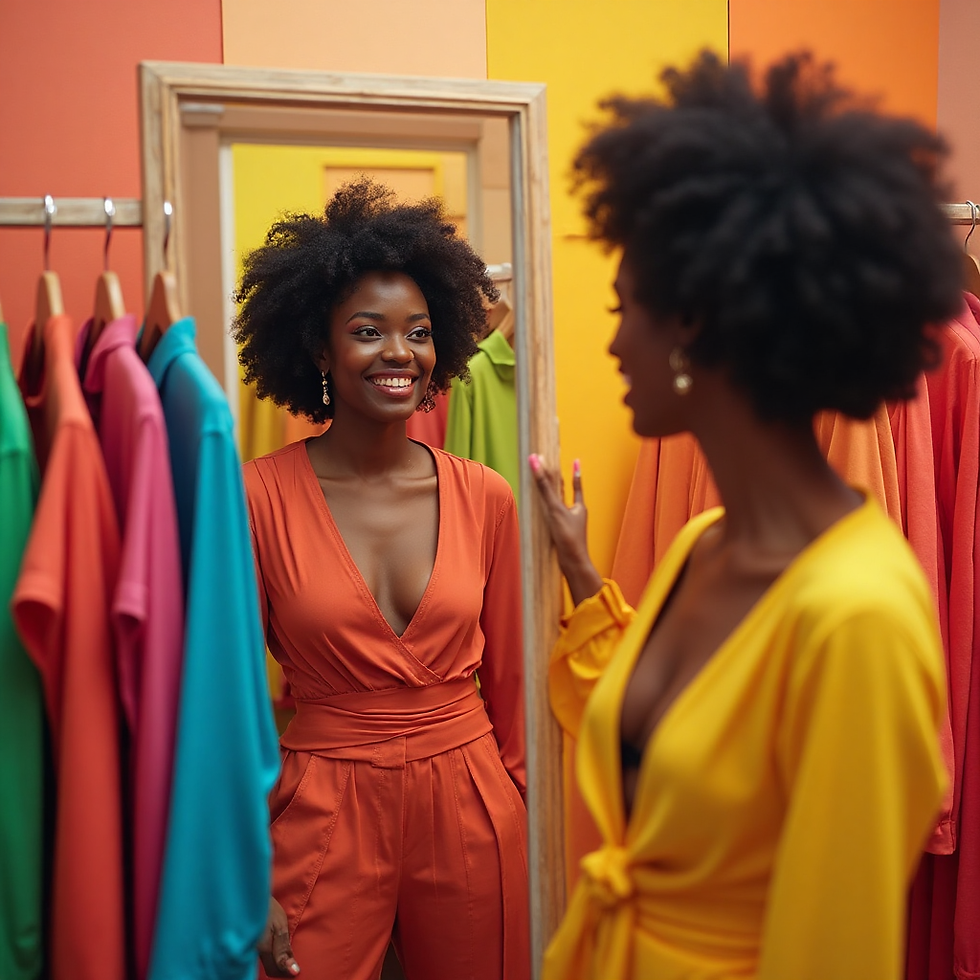
Building fashion confidence starts with understanding what makes you feel good in your clothes. This confidence isn’t about following trends or wearing expensive brands – it’s about developing a personal style that authentically reflects who you are.
“True fashion confidence comes from wearing clothes that align with your values, lifestyle, and body,” says stylist and body positivity advocate Stasia Savasuk. “When there’s alignment between your inner self and outer appearance, confidence naturally follows.”
Mindful fashion choices involve considering not just how clothes look, but how they make you feel. Questions like “Does this reflect who I am?” and “Do I feel comfortable and confident in this?” become more important than “Is this on trend?” This approach to fashion can lead to a more positive relationship with clothing and, by extension, with yourself.
Experts in mental health and fashion recommend developing a personal style that authentically reflects your identity. This authentic approach to fashion can reduce the anxiety that comes from trying to keep up with rapidly changing trends or conform to others’ expectations.
The Complex Relationship Between Mental Health and Fashion
While fashion can positively impact mental health, the relationship is complex and not always beneficial. The fashion industry has historically promoted narrow beauty standards that can contribute to negative body image and self-esteem issues.
Social media has intensified this issue, creating platforms where constant comparison is almost inevitable. When we compare our everyday appearance to highly curated, often edited images, we may feel inadequate, regardless of how unrealistic these comparisons might be.
The pressure to keep up with rapidly changing trends can also create financial stress and anxiety. Fast fashion has made trendy clothing more accessible but has also accelerated the cycle of consumption, potentially leading to a sense that one’s wardrobe is never quite “enough” or up-to-date. For those working in the fashion industry, these pressures can be even more intense. Long hours, high expectations, and constant scrutiny can contribute to burnout, anxiety, and depression among fashion professionals.
Body Image and Fashion: Navigating a Complicated Relationship
Issues related to body image and fashion continue to affect people across all demographics. The fashion industry has historically promoted a narrow definition of beauty, often showcasing clothing on bodies that represent a small percentage of the population. This lack of diversity can lead consumers to feel that their bodies are somehow “wrong” if they don’t match these idealized images.
“When people don’t see bodies like theirs represented in fashion, they may internalize the message that they need to change their bodies rather than finding clothes that fit them well,” explains eating disorder specialist Dr. Jennifer Rollin.
The good news is that the industry is slowly changing. More brands are embracing size inclusivity and featuring diverse models. Social media has also created spaces for body positivity and fashion inclusivity, with influencers showcasing stylish outfits on a variety of body types.
Consumers can protect their mental health by curating their media consumption, following accounts that make them feel good about themselves, and unfollowing those that trigger negative comparisons. Additionally, focusing on how clothes feel rather than how they “should” look can help maintain a healthier relationship with fashion.
The Negative Effects of Fashion on Mental Health
The negative effects of fashion can include social comparison, financial stress, and body dissatisfaction. The pressure to keep up with trends can lead to overconsumption, creating both financial strain and environmental guilt. This cycle of buying, briefly enjoying, and then feeling the need to buy more can leave people feeling empty rather than fulfilled.
The fashion industry mental health crisis requires systemic changes and greater awareness. High-pressure work environments, unrealistic deadlines, and intense competition can lead to burnout among designers, models, and other industry professionals. The prevalence of eating disorders among models highlights the extreme physical toll that industry standards can take.
For consumers, the constant exposure to idealized images can lead to appearance anxiety and body dissatisfaction. Studies have linked social media use, particularly platforms focused on appearance like Instagram, to increased rates of anxiety and depression related to body image.
Fast fashion’s psychological impact extends beyond individual consumers to broader societal issues. The knowledge that cheap clothing often comes at the cost of exploitative labor practices and environmental damage can create cognitive dissonance and guilt among conscious consumers.
Finding Balance: A Healthier Relationship with Fash
Despite these challenges, it’s possible to develop a healthier relationship with fashion that enhances rather than diminishes mental wellbeing. Understanding the connection between fashion and mental health is the first step toward making more mindful choices.
Here are some strategies for finding this balance:
● Develop personal style over following trends: Focus on what genuinely appeals to you and makes you feel good rather than what’s currently trending.
● Practice mindful consumption: Before purchasing, consider whether an item truly reflects your style and whether you’ll wear it multiple times.
● Curate your media consumption: Follow fashion accounts that inspire rather than make you feel inadequate.
● Embrace fashion as self-care: Use the act of getting dressed as a form of self-expression and self-care rather than a source of stress.
● Support ethical and inclusive brands: When possible, choose brands that align with your values regarding sustainability, ethics, and inclusivity.
Fashion self-expression allows individuals to communicate their identity without words. This authentic expression can be a powerful tool for building confidence and connecting with others who share similar values and aesthetic preferences.
Conclusion: The Future of Fashion and Mental Health
As awareness of mental health continues to grow, the fashion industry has an opportunity to evolve in ways that better support psychological wellbeing. This might include more diverse representation, sustainable practices that reduce consumer guilt, and work environments that prioritize the mental health of industry professionals.
For individuals, understanding the relationship between fashion and mental health can lead to more conscious choices about what we wear and how we engage with fashion media. By approaching fashion as a form of self-expression rather than a standard to meet, we can harness its positive potential while minimizing its negative impacts.
The clothes we wear tell our stories, reflect our moods, and influence how we feel about ourselves. By making thoughtful choices about fashion, we can use it as a tool to enhance our mental wellbeing rather than detract from it. After all, the best style is one that makes you feel good from the inside out.
Understanding the relationship between fashion and mental health can help individuals make more mindful clothing choices that support rather than undermine their psychological wellbeing. As both industries continue to evolve, the potential for fashion to serve as a positive force for mental health becomes increasingly promising.


Fashion is more than just style it deeply influences how we feel, think, and carry ourselves every day. The connection between clothing and mental health is powerful, as what we wear can shape confidence, mood, and self-expression.
At Rooh London, this idea is at the heart of everything we create. Our pieces are designed not just to look good, but to help you feel grounded, confident, and authentically yourself. We believe fashion should support emotional well-being as much as personal style.